Coolant Warning Light On? What It Means and What to Do
A coolant warning light usually means the coolant in your engine has dropped below the minimum level, or the system has a fault that needs checking. It is not a light to ignore. Low coolant can lead to overheating, and an overheated engine can be badly damaged in minutes. This guide explains what the light means, how to check your coolant safely, and when to stop driving.
Petro Olekhnovych runs SYP Mechanic, a mobile mechanic based in Aylesham. He diagnoses warning lights at your home or workplace, so you do not have to drive a car with a cooling problem to a garage.
What does the coolant warning light mean?
On most cars, the coolant warning light comes on when a sensor in the expansion tank detects that the level is too low. The symbol often looks like a tank or a thermometer with wavy lines. Some makes show it as a written message instead, such as "check coolant level".
Coolant, also called antifreeze, is a mix of water and additives. It carries heat away from the engine, stops the water freezing in winter and protects the metal inside from corrosion. If there is not enough of it, the engine cannot get rid of heat properly.
Symbols and colours vary between makes, so check your handbook to be sure which light you are looking at. Our guide to dashboard warning lights and which ones mean stop covers the colour system in more detail.
Coolant level light or engine temperature light?
Many cars have two separate warnings, and they mean different things.
Coolant level light: the level in the tank is low. The engine may still be at a normal temperature, but it is at risk.
Engine temperature light: usually red. The engine is already running too hot. This is more urgent.
Look at your temperature gauge if your car has one. If the gauge is climbing towards hot, or a red temperature light is on, treat it as overheating. Our post on the engine temperature warning light explains what to do in that case.
What to do when the coolant light comes on
Follow these steps in order.
Check the temperature gauge and look for a red warning or steam from under the bonnet.
If the engine is overheating, pull over as soon as it is safe and switch the engine off.
If the temperature looks normal, drive gently to the nearest safe place to stop. Do not carry on with a long journey.
Let the engine cool down fully before you open the bonnet. This can take 30 minutes or more.
Check the coolant level in the expansion tank.
Stop driving straight away if the temperature gauge reads hot, you see steam, or the light comes back on soon after a top-up. Driving on in those cases risks serious engine damage.
How to check and top up coolant safely
Only check coolant when the engine is cold. The system is under pressure when hot, and opening the cap can spray scalding coolant over you.
Find the expansion tank. It is usually a see-through plastic bottle with MIN and MAX marks on the side.
With the engine cold and the car on level ground, check where the level sits between the marks.
If it is below MIN, open the cap slowly with a cloth over it.
Top up to between MIN and MAX with the coolant type your handbook lists. Different engines need different types, so do not guess.
Refit the cap firmly and check for drips under the car.
Coolant is poisonous to people and pets. Wipe up spills, keep bottles out of reach and never leave a puddle on the drive.
Topping up gets you moving again, but it does not explain why the level dropped. A cooling system is sealed, so coolant should not go down much between services.
Why the coolant light keeps coming back
If you have to top up more than once, something is letting coolant out. Common causes include:
A leaking hose or clip: look for wet patches or crusty white or coloured deposits around the hoses.
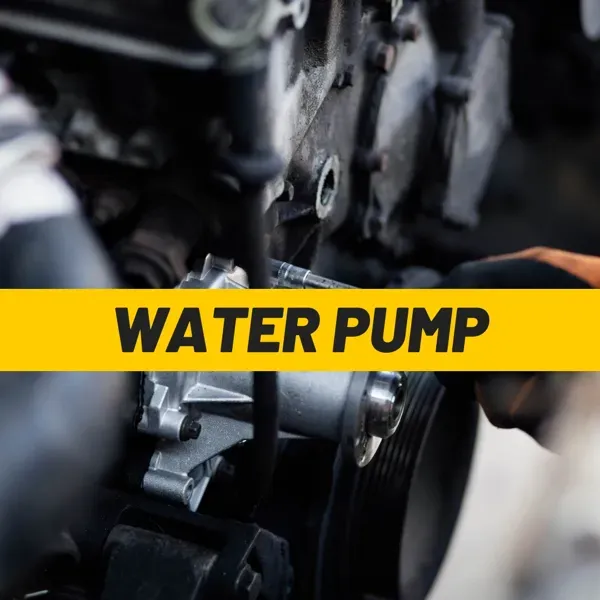
A failing water pump: the pump moves coolant around the engine. A leak or a whining noise from the front of the engine can point to it. Read our guide to water pump failure symptoms.
A radiator or heater leak: a sweet smell inside the car or a damp footwell can be a sign.
An internal leak: white exhaust smoke, a sweet smell from the exhaust or a milky residue under the oil cap can mean coolant is getting into the engine. Stop driving and get it checked.
A faulty level sensor: sometimes the light comes on even when the tank is full.
Our post on coolant leak signs and causes goes through how to spot a leak on the driveway.
Getting the coolant warning light checked at home
Petro can come to you across Aylesham, Canterbury, Dover, Deal and the villages in between. See the full list on our areas we cover page. He will diagnose the warning light, check the cooling system for leaks and tell you what he finds. If the water pump is the problem, he can replace it on your drive.
Labour is £30 to £50 an hour depending on the job and how difficult it is. Parts are extra, and the price is agreed before any work starts.
Frequently asked questions
Can I drive with the coolant warning light on?
Only a short, gentle distance to a safe place, and only if the temperature gauge is normal. If the engine is getting hot or you see steam, stop and switch off as soon as it is safe.
Can I top up coolant with water?
In an emergency, plain water can get you to safety. It weakens the antifreeze mix, though, so get the correct coolant put back in before cold weather.
Why is my coolant light on when the tank is full?
The level sensor or its wiring may be faulty, or there could be an air pocket in the system after recent work. A diagnostic check will show which.
How much does it cost to fix a coolant warning light?
It depends on the cause. A loose clip is a quick job, while a water pump takes longer. Petro charges £30 to £50 an hour plus parts and agrees the price with you first.
Need this checked at home? Petro comes to you across Aylesham, Canterbury, Dover, Deal and East Kent. WhatsApp for a quote or call 07563 350335.
