Winter Car Storage: How to Lay Up Your Car Properly
Winter car storage takes a little planning if you want the car to start and drive properly in spring. Whether it is a second car, a summer convertible or a van you will not need until March, a few jobs before you park it up will save you a flat battery, flat-spotted tyres and seized brakes. This guide covers modern cars. If yours is a classic, read our classic car winter storage guide instead.
Petro Olekhnovych runs SYP Mechanic, a mobile mechanic based in Aylesham. He can service your car on your drive before it goes into storage, and check it over before it goes back on the road.
Winter car storage checklist
Work through these jobs in the week before you lay the car up.
Change the engine oil and filter if a service is close.
Fill the fuel tank.
Wash the car, dry it fully and clean the inside.
Set the tyres to the correct pressure.
Sort out the battery.
Decide on tax, insurance and SORN.
Park it somewhere dry and secure, with a breathable cover if it lives outside.
The sections below explain each step.
Oil, fuel and fluids before storage
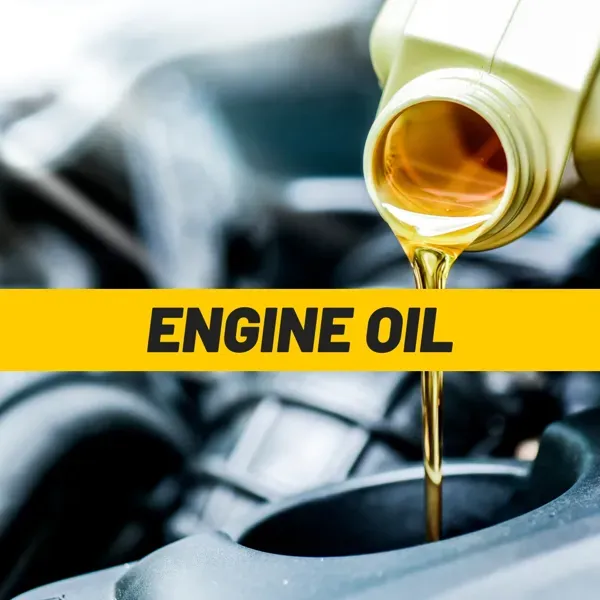
Used oil holds moisture and acids from the engine. Left in for months, it is not doing the engine any favours. If your car is due a service in the next few months, have the oil and filter changed before storage rather than after. Our post on how often to change engine oil explains why time matters as well as miles.
A full tank leaves less room for damp air, which helps limit condensation. Check the coolant and screenwash are topped up, and look under the car for any drips before you leave it.
Need a service or brakes doing?
Servicing, pads, discs and fluids done on your driveway across East Kent.
WhatsApp for a free quote Call 07563 350335 Contact form
Labour £30 to £50 per hour depending on the job. Send your reg number and we will reply with a price before any work starts.
Battery, tyres and brakes
Battery: modern cars draw a small amount of power even when locked, for the alarm, keyless entry and electronics. Over several weeks this can flatten the battery. The simplest fix is a battery maintainer, sometimes called a smart charger, plugged in while the car is parked. If you cannot reach a socket, check your handbook before disconnecting the battery, as some cars lose settings or need codes afterwards.
Tyres: a car that sits still for months can develop flat spots. Set the pressures to the figure in your handbook or door pillar. If you can, roll the car a short way every few weeks so the tyres rest on a different patch.
Brakes: a handbrake left on for months can stick, especially in damp weather. On level, private ground, many owners leave the car in gear or in Park with wheel chocks instead. If your car has an electronic parking brake, follow the handbook.
Keep keyless fobs away from the car while it is stored. A fob close by can keep the car's systems awake and drain the battery faster.
Tax, insurance and SORN
If you stop taxing or insuring a car, you must make a SORN (Statutory Off Road Notification), according to GOV.UK. The car must then be kept off public roads, for example on a drive, in a garage or on private land. You can only drive it on a public road to go to a pre-booked MOT or other test.
If the car stays taxed and insured, you do not need a SORN. Many owners keep some insurance cover anyway for theft and fire while the car is stored. Check with your insurer before you change anything.
Getting your car back on the road in spring
When you bring the car out, check the tyres, the brakes and the fluids before the first drive. Expect a little surface rust on the brake discs, which should clean off after a few gentle stops. Our guide to checks after a car has not been driven for weeks covers this step by step.
If you made a SORN, tax and insure the car before you drive it. Check the MOT date too, as it may have run out while the car was parked.
Petro can come to you across Aylesham, Canterbury, Dover, Deal and nearby villages. See the full list on our areas we cover page. He can do an oil and filter change or a service before storage, and a pre-MOT check before the car goes back on the road. Labour is £30 to £50 an hour depending on the job and how difficult it is. Parts are extra, and the price is agreed before any work starts.
Need a service or brakes doing?
Message us on WhatsApp with your reg and postcode, or use our contact form, for a price before any work starts.
WhatsApp for a free quote Call 07563 350335 Contact form
Labour £30 to £50 per hour depending on the job. Send your reg number and we will reply with a price before any work starts.
Frequently asked questions
Should I start my car every week while it is in storage?
A short idle on the drive does little good and can leave moisture in the engine and exhaust. A battery maintainer is better. If you do start it, let it reach full temperature or take it for a proper drive.
Do I need to SORN a car I am storing over winter?
Only if you stop taxing or insuring it. If it stays taxed and insured, no SORN is needed.
Should I leave the handbrake on when storing a car?
It can stick over a long period. On level, private ground, leave it in gear or Park with wheel chocks, unless your handbook says otherwise.
Is a car cover a good idea?
Outside, a breathable cover helps. Avoid plastic sheets, as they trap moisture against the paint.
Need this checked at home? Petro comes to you across Aylesham, Canterbury, Dover, Deal and East Kent. WhatsApp for a quote or call 07563 350335.
